
Debunking Common Migraine Myths: What You Need to Know


Understanding Migraines
Migraines are a common neurological condition that affects millions of people worldwide. Despite their prevalence, there are many myths surrounding migraines that can lead to misunderstandings and inadequate treatment. In this post, we aim to debunk some of these common myths to help you better understand and manage migraines.

Myth 1: Migraines Are Just Bad Headaches
One of the most pervasive myths is that migraines are merely severe headaches. While headaches are a symptom of migraines, they often come with a range of other symptoms such as nausea, visual disturbances, and sensitivity to light and sound. Migraines are a neurological condition that requires specific treatment and management strategies.
Myth 2: Only Adults Get Migraines
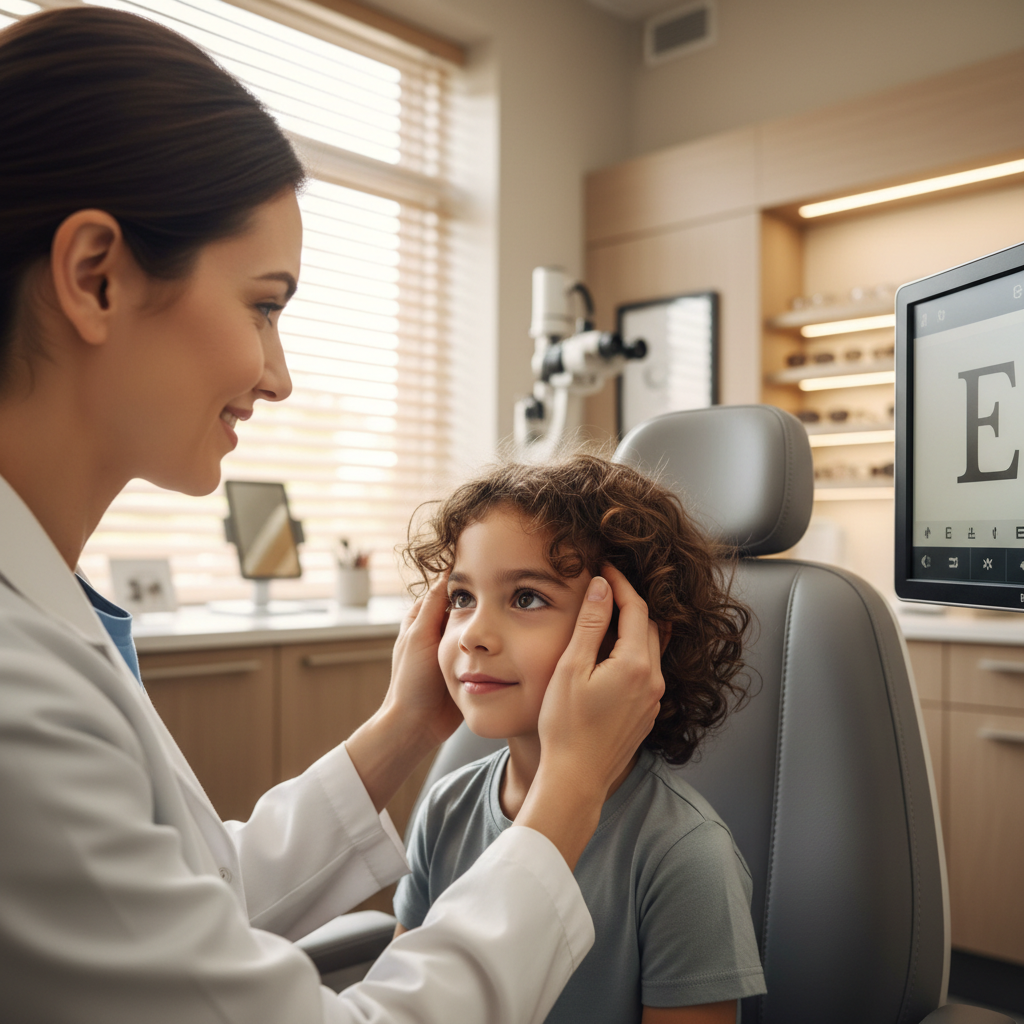
Another common misconception is that migraines only affect adults. In reality, migraines can affect individuals of all ages, including children and teenagers. Early diagnosis and management are crucial to help younger individuals cope with the condition and maintain their quality of life.
Myth 3: Migraines Are Caused by Stress
While stress can be a trigger for migraines, it is not the sole cause. Migraines can be triggered by a variety of factors including hormonal changes, certain foods, and environmental factors. Understanding your personal triggers can be key to managing the condition effectively.
Managing Migraine Triggers
Identifying and managing triggers is an essential part of migraine management. Here are some common triggers:
- Hormonal changes
- Food additives
- Alcohol and caffeine
- Lack of sleep
- Weather changes

Myth 4: Over-the-Counter Medications Are Ineffective
Some believe that over-the-counter (OTC) medications are useless against migraines. While not all OTC medications work for everyone, many individuals find relief with them, especially when taken at the onset of a migraine. Consulting a healthcare provider can help determine the best course of action.
Myth 5: Migraines Are Not Serious
Lastly, there is a myth that migraines are not a serious health concern. However, migraines can significantly impact daily life and lead to other complications if not properly managed. Seeking professional medical advice and creating a personalized treatment plan is essential for those suffering from frequent migraines.

By debunking these myths, we hope to raise awareness about the complexity of migraines and encourage those affected to seek appropriate care. If you or someone you know is struggling with migraines, remember that understanding and proper management can greatly improve quality of life.