DIY Migraine Relief Techniques: Beyond Supplements


Understanding Migraine Triggers
Migraines can be debilitating, affecting daily life and productivity. While supplements are a common remedy, there are several DIY techniques that can provide relief. To start, it's crucial to understand your triggers. Identifying these can help in managing and reducing the frequency of migraines.
Common triggers include stress, certain foods, hormonal changes, and sensory stimuli. Keeping a migraine diary can be a useful tool in pinpointing your specific triggers. By recording the time, severity, and circumstances of each migraine, patterns may emerge.

Stress Management Techniques
Stress is a prevalent trigger for many migraine sufferers. Incorporating relaxation techniques into your daily routine can significantly reduce migraine occurrences. Consider practices such as deep breathing exercises, meditation, or yoga. These activities promote relaxation and help alleviate tension.
Creating a serene environment at home or work can also be beneficial. This may involve reducing noise, adjusting lighting, or even incorporating calming scents like lavender. Small changes can make a big difference in stress levels.
Dietary Adjustments
Diet plays a crucial role in migraine management. Certain foods and beverages are known to trigger migraines, such as caffeine, alcohol, and processed foods. Identifying and eliminating these from your diet can help in reducing migraine frequency.
Instead, focus on a balanced diet rich in fruits, vegetables, and whole grains. Staying hydrated is equally important, as dehydration is a known trigger. Aim to drink at least eight glasses of water a day, and consider herbal teas, which can also have calming effects.

Physical Activity and Exercise
Regular physical activity can be an effective way to manage migraines. Exercise releases endorphins, which are natural pain relievers. It also helps to reduce stress and improve sleep, both of which are important for migraine prevention. Aim for at least 30 minutes of moderate exercise several times a week.
However, it's important to note that overexertion can sometimes trigger migraines. Listen to your body and choose activities that are enjoyable and manageable, such as walking, swimming, or biking.
Sleep Hygiene
Good sleep hygiene is essential for migraine sufferers. Irregular sleep patterns can trigger migraines, so it's important to maintain a consistent sleep schedule. Aim for 7-9 hours of sleep per night, and try to go to bed and wake up at the same time every day.
Create a bedtime routine that promotes relaxation, such as reading, taking a warm bath, or practicing gentle stretching. Avoid screens and caffeine close to bedtime to ensure a restful sleep.

Acupressure and Massage
Acupressure and massage are alternative therapies that can offer relief from migraines. Acupressure involves applying pressure to specific points on the body to release tension and promote energy flow. The pressure points related to migraines are often located around the head, neck, and shoulders.
Similarly, massage therapy can reduce muscle tension and improve circulation. Regular sessions with a professional therapist or self-massage techniques can be beneficial in managing migraines.
Aromatherapy
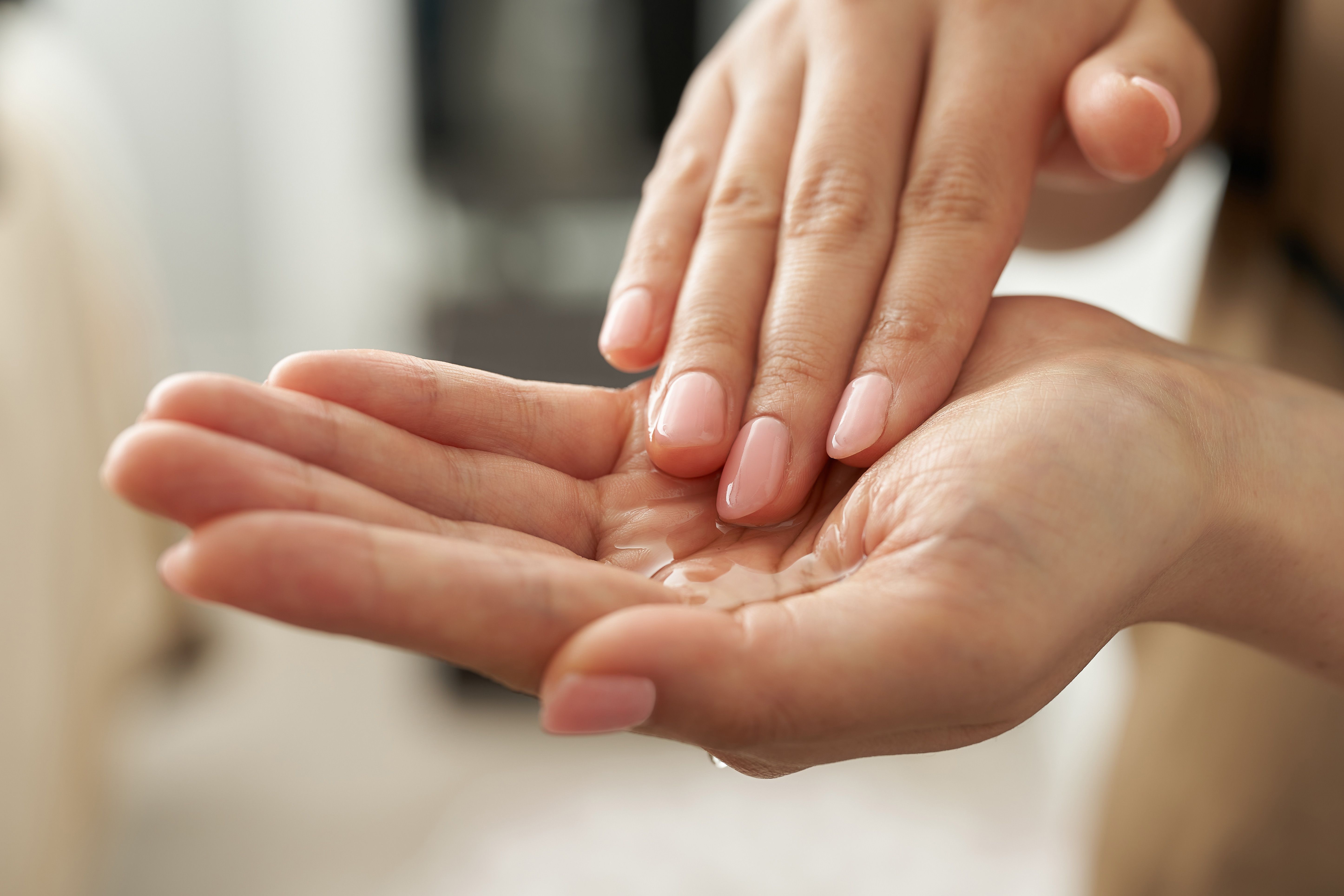
Aromatherapy is another alternative method for migraine relief. Essential oils such as peppermint, eucalyptus, and lavender can have soothing effects. Inhale these scents directly or use a diffuser to fill your space with calming aromas.
While these methods may not replace traditional treatments, they can be a valuable part of a comprehensive migraine management plan. Always consult with a healthcare provider before trying new remedies, especially if you have other medical conditions.