
Seasonal Migraine Triggers in Maricopa County: What You Need to Know


Understanding Seasonal Migraine Triggers
Living in Maricopa County offers plenty of sunshine and warmth, but it also brings unique challenges for those who suffer from migraines. Understanding the specific seasonal triggers in this region can help manage and potentially reduce the frequency of these debilitating headaches.
Weather-Related Triggers
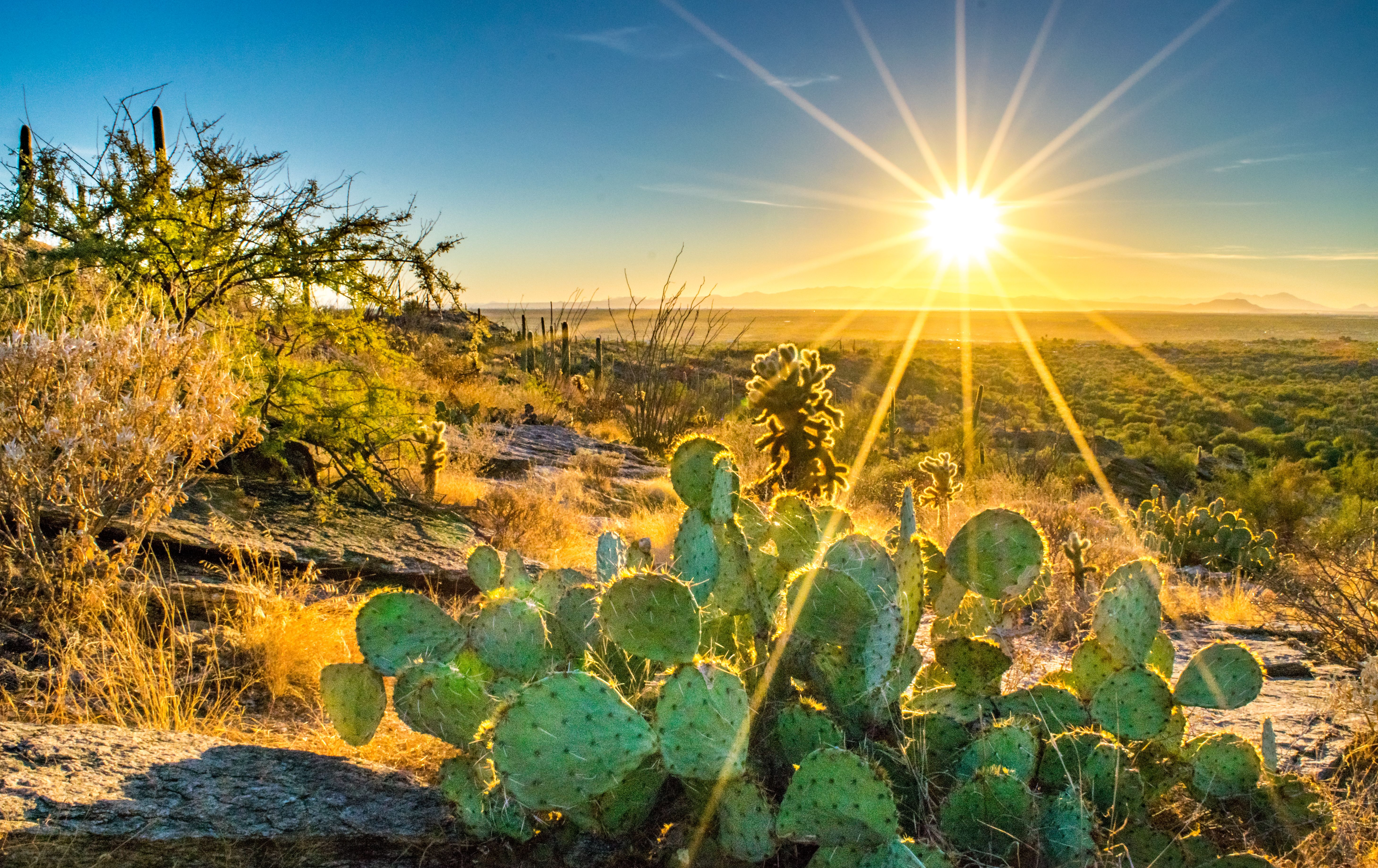
Weather changes are a common migraine trigger. In Maricopa County, the intense heat and sudden shifts between dry and monsoon seasons can be significant. The barometric pressure changes can lead to increased migraine occurrences. Staying informed about weather forecasts and taking precautions on high-risk days can be beneficial.
Additionally, the dry climate often leads to dehydration, another known migraine trigger. It's essential to maintain adequate hydration, especially during the hot summer months. Consider keeping a water bottle handy at all times to ensure you’re drinking enough.
Allergens in the Air
Allergies can exacerbate migraine symptoms, and Maricopa County is no stranger to seasonal allergens. During spring and fall, pollen levels can soar, making these seasons particularly challenging for migraine sufferers. Common allergens in the area include ragweed, sagebrush, and various grasses.

To mitigate these effects, keep windows closed during high pollen days, use air purifiers, and consider over-the-counter allergy medications after consulting with a healthcare provider. Regular cleaning can also help reduce indoor allergens.
Stress and Lifestyle Factors
Seasonal changes often bring lifestyle shifts, such as increased outdoor activities in the cooler winter months. While exercise is beneficial, sudden changes in routine or overexertion can trigger migraines. It's important to gradually adjust exercise routines and listen to your body’s signals.
Stress levels can also fluctuate with the seasons, especially during holiday periods or the back-to-school rush. Implementing stress-reduction techniques like meditation or yoga can be effective in managing migraine frequency.

Adapting to Seasonal Changes
To better adapt to seasonal triggers, it may be helpful to keep a migraine diary. Recording details such as weather conditions, diet, and stress levels can help identify patterns and triggers unique to each individual.
Moreover, consulting with a healthcare professional or a migraine specialist in Maricopa County can provide personalized strategies and treatments tailored to your specific needs. They may suggest dietary changes, supplements, or preventive medications.
Conclusion
While migraines can be a significant challenge in Maricopa County, understanding and addressing seasonal triggers can lead to more effective management. By staying informed and proactive, you can enjoy the benefits of this beautiful region without being sidelined by migraines.